Fafi Dream Guide: Lucky Numbers from Dreams
Reviewed for responsible-gambling compliance by Priya Naidoo.
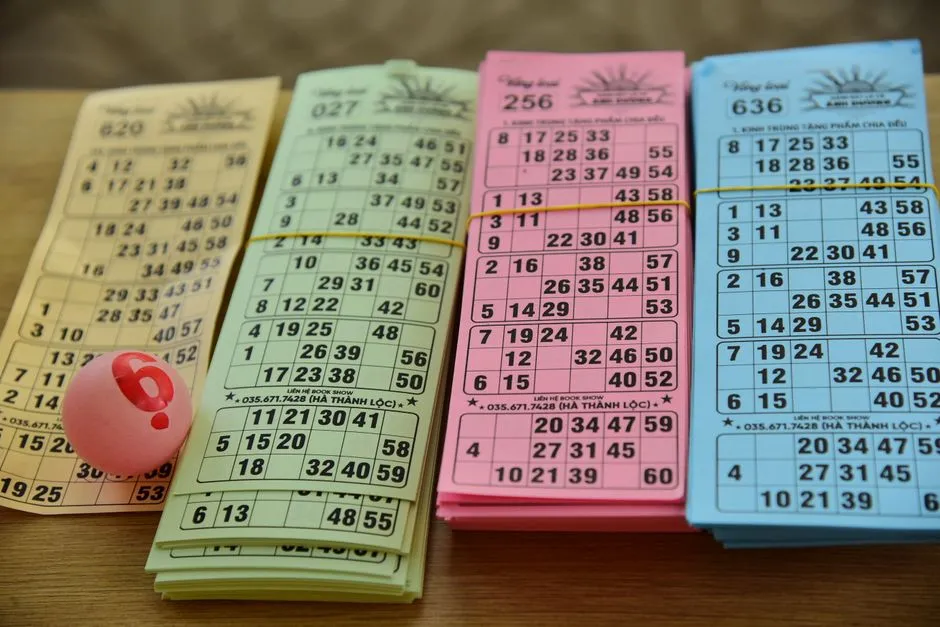
Fafi is a numbers game with deep roots in South African townships, where dreams are read as signs and turned into numbers people then play. For generations, a mother, gogo or neighbour who dreamed of a specific animal or person would look up the matching number and back it, often on fafi itself or on a lucky-numbers draw like UK49s.
This guide explains the fafi dream tradition honestly. It shows how the dream-to-number mapping works, gives a sample symbol table, and then sets out the plain truth: dreams are meaningful to many people culturally, but they do not and cannot predict the outcome of a random draw.
What is fafi and where does it come from?
Fafi, sometimes called mochaina, is a traditional numbers game that spread through South African communities over many decades, with roots in Chinese immigrant communities on the mines. A runner takes bets on a single number, usually from 1 to 36, and each number is tied to a symbol such as a king, a cat, small water or a dead man. The game has always been wrapped in dream culture: people believe a dream points them to the symbol, and therefore the number, they should back that day. It is important to be clear that street fafi run by an informal runner is not a licensed, regulated game, so there is no consumer protection if a payout is disputed. Many people now take the same dream symbols and instead play them on a legal lucky-numbers bet at a licensed South African bookmaker, which is the safer route.
How does a dream become a number?
The mechanic is simple and cultural, not mathematical. You remember a dream, pick out its strongest symbol, and look that symbol up on a fafi chart to get its number. If you dreamed vividly of a big fish, you would find the fish entry and play its number; if a relative who has passed appeared, you would play the number linked to that. Different communities and charts do not always agree, so the same dream can map to different numbers depending on whose list you use, which already tells you something about how loose the system is. People often combine a few symbols from one dream, or carry a number for several days until it comes up. None of this changes the underlying odds of any draw. The mapping is a tradition for choosing numbers, not a method for knowing which numbers will be drawn.
Sample fafi dream symbols and numbers
| Dream symbol | Common fafi number |
|---|---|
| King or important man | 1 |
| Money or silver | 9 |
| Small water or tears | 15 |
| Big fish | 4 |
| Cat | 11 |
| A woman | 2 |
| Dead person | 24 |
| Elephant | 14 |
The honest caveat: dreams do not predict draws
This is the part that matters most. A draw like the Daily Lotto or UK49s is random, which means every number has the same chance every single time and past events have no influence on the next result. A dream, no matter how vivid or how many times it repeats, has no connection to which balls a machine will draw. There is no evidence anywhere that fafi charts or dream numbers win more often than numbers picked at random, because they cannot. If a dream gives you a fun, personal way to choose your numbers, that is harmless entertainment as long as you treat it that way. The danger is believing the dream guarantees anything and then staking money you cannot afford to lose. Set a small budget, use your dream number for fun, and never chase losses expecting a dream to pay you back.
Frequently asked questions
Can a dream really tell me the winning numbers?+
No. Draws such as the Daily Lotto or UK49s are random, so every number has the same chance every time and nothing you dream can change that. Fafi dream charts are a cultural tradition for choosing numbers, not a way of predicting them. Enjoy the tradition if it is meaningful to you, but treat any bet as entertainment and never stake money expecting a dream to win it back.
Is playing fafi legal in South Africa?+
Street fafi run by an informal runner is not a licensed or regulated game, so there is no protection if a payout is refused. The safer, legal route is to take your dream numbers and play them as a lucky-numbers bet at a licensed South African bookmaker such as Hollywoodbets, Supabets or Betway. You must be eighteen or older and complete FICA verification with your ID and proof of address.
Why do different fafi charts give different numbers?+
Because fafi is an oral, community tradition rather than a fixed system. The dream symbol lists were passed down and varied between areas, runners and families, so the same symbol can map to different numbers depending on whose chart you use. That inconsistency is a useful reminder that the mapping is cultural, not a formula, and does not affect the odds of any actual draw.
How should I use my dream number safely?+
Treat it as a fun way to pick, nothing more. Decide a small amount you are comfortable losing before you play, use your dream number on a legal lucky-numbers bet, and stop once you hit that limit. Do not increase your stake to chase a number you feel is due, and never borrow to play. A dream can make choosing enjoyable, but it changes none of the underlying odds.